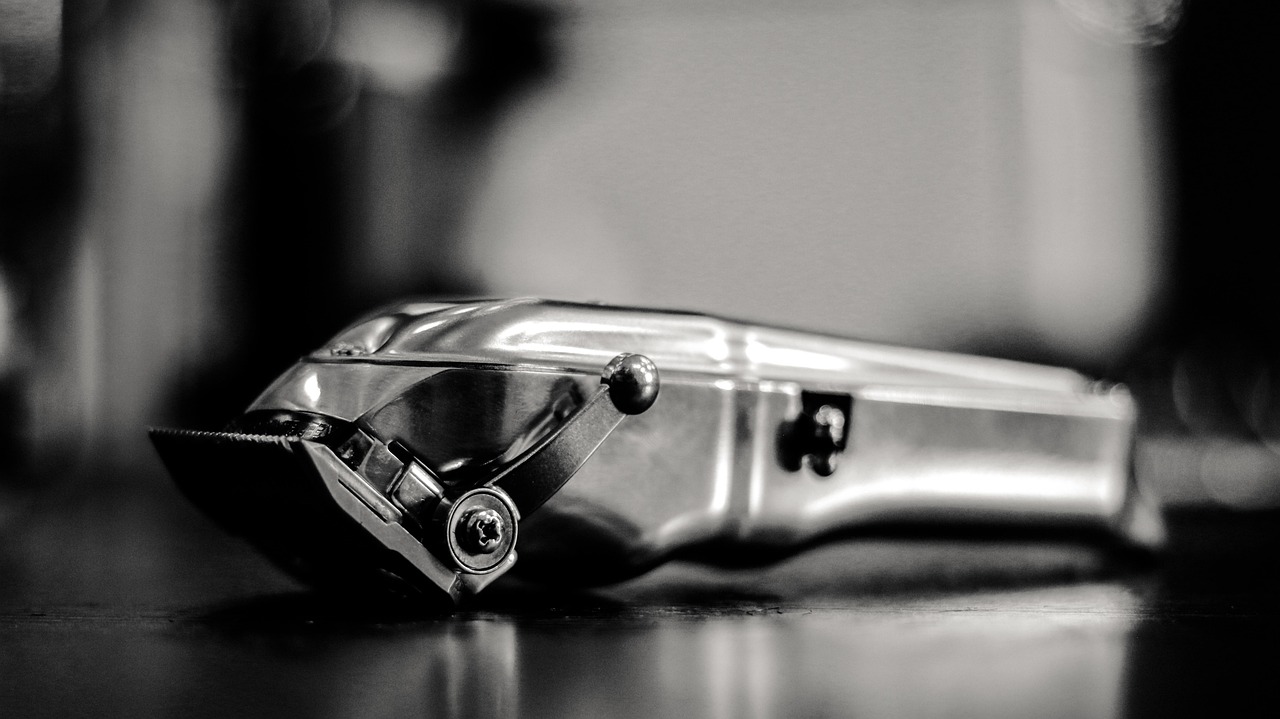
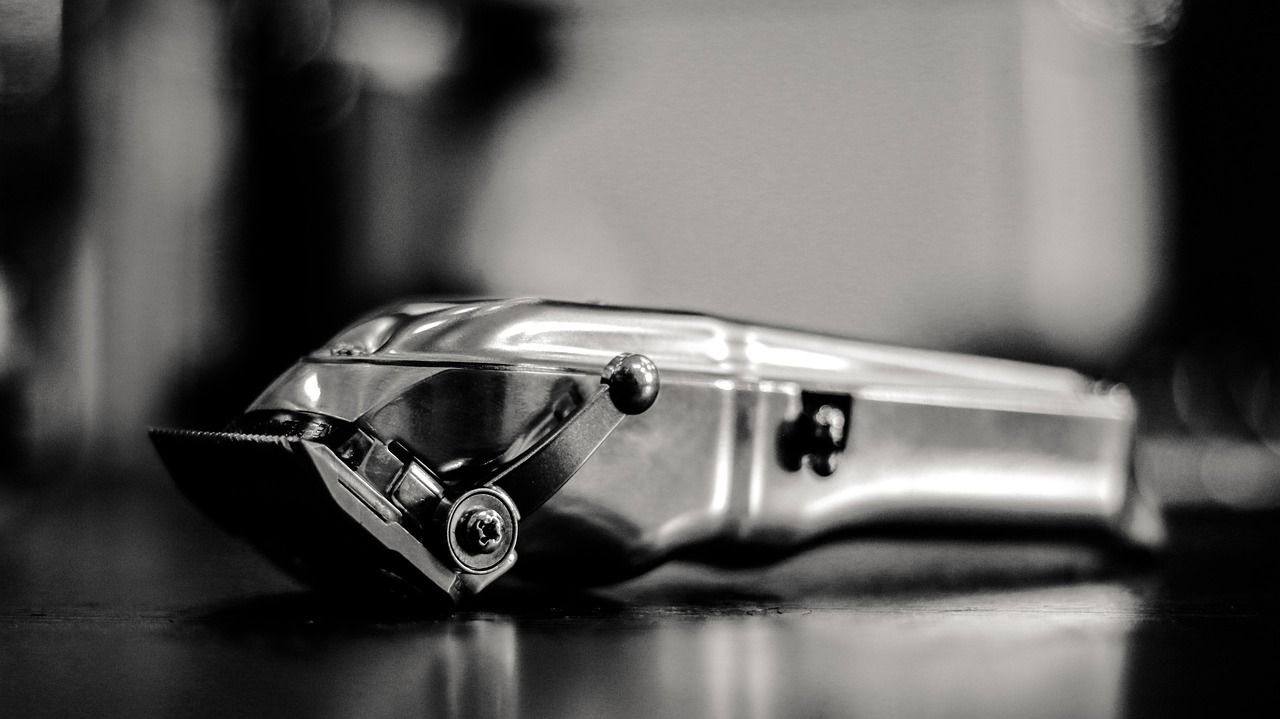
Shopping for grooming gear can feel overwhelming when every brand promises professional results. Yet, finding a tool that actually lives up to the hype comes down to understanding the mechanics beneath the casing. If you are tired of pulling hairs or dealing with uneven patches, it is time to look at what truly separates standard grooming tools from a high-performance beard trimmer. Cheaply made consumer devices often cut corners on internal components, leading to rapid wear and tear, frustrating pulling sensations, and inconsistent battery performance over time.
We will break down the exact motor capabilities, blade engineering, and design details that matter. By the end of this guide, you will know precisely what to look for so you can invest in a device that lasts for years and treats your skin right. Knowing how to evaluate these key specifications will save you money in the long run, sparing you from repeatedly replacing sub-par tools that fail after just a few months of regular weekly use.
Motor power and torque explained
The motor is the beating heart of any grooming tool. Cheap models often buzz loudly while losing speed the second they hit a thick patch of facial hair. A true high-performance beard trimmer relies on a powerful rotary or linear motor that delivers consistent torque regardless of battery percentage. When a motor lacks sufficient torque, it slows down dramatically upon encountering dense hair, which causes the blades to pinch and pull rather than cleanly slice through the follicles.
Torque is actually more important than raw speed. Think of it like a car driving up a steep hill; you need pulling power, not just fast wheels, to get through dense growth without stalling. Motors with smart sensor technology can even detect hair density and automatically boost power when they encounter a stubborn spot, such as a thick mustache or a dense chin patch. This adaptive power delivery ensures a smooth, snag-free glide across every contour of your face.
- Linear motors maintain maximum cutting speed until the battery completely dies, ensuring consistent performance from the first minute to the last.
- Rotary motors offer high torque, making them ideal for dense, wire-like beards that easily bog down weaker devices.
- Magnetic motors run fast and hot, suited best for quick maintenance rather than heavy bulk removal, though they offer great reliability for short trims.
Blade materials and edge geometry
You can have the strongest motor in the world, but dull blades will still ruin your trim. High-performance models generally use specific materials that hold a sharp edge much longer than stamped stainless steel. The geometry of the blade also matters immensely; precision-ground edges meet at an optimal angle to slice hair cleanly rather than crushing it, which significantly reduces the likelihood of split ends and razor burn.
Look for blades crafted from Japanese steel, ceramic, or titanium coatings. These materials stay cool during extended trimming sessions and resist corrosion from moisture and natural skin oils. Furthermore, self-sharpening designs ensure that the edges rub lightly against each other during operation, keeping them razor-sharp without requiring manual oiling every single time. Investing in quality blade metallurgy also means fewer replacements, saving you hassle and maintenance costs throughout the lifespan of the tool.
Precision length settings and comb design
Achieving a fade or maintaining an exact stubble length requires precise control. Flimsy plastic guards often bend under pressure, leading to uneven patches that ruin your look. Premium devices feature secure, click-lock comb attachments with millimeter adjustments, allowing you to fine-tune your look whether you prefer a rugged 5-o’clock shadow or a neatly managed long beard.
- Integrated zoom wheels let you change lengths seamlessly with a simple flick of your thumb, eliminating the need to swap out dozens of loose plastic guards.
- Reinforced comb teeth prevent hair from clumping and bending while you glide across your jawline, ensuring an even catch on every pass.
- Wide blade designs cover more surface area, cutting down your morning routine time significantly while still allowing for detailed edge work around the mouth.
Battery technology and runtime reliability
Nothing is worse than a trimmer dying mid-shave with a half-finished cheek line. Modern high-performance options rely almost exclusively on lithium-ion batteries. These power cells offer rapid charging and zero memory effect, meaning the battery life does not degrade if you charge it before it hits zero. Unlike older nickel-metal hydride batteries, modern lithium-ion cells hold their charge for months in storage, meaning the trimmer is always ready to go even if you leave it in your travel bag for weeks.
Many top-tier models provide a quick-charge feature that gives you enough juice for a full trim in just five minutes, which is a lifesaver when you are running late for work. Cord-and-cordless hybrid operation also ensures you are never stranded if you forgot to plug the unit in the night before, allowing you to plug it into the wall and finish your grooming session without interruption.
Ergonomics, waterproofing, and daily maintenance
Power and precision mean little if the device feels awkward in your hand. A well-balanced body with rubberized grip panels prevents slipping, especially when your hands are wet in the bathroom. The weight distribution should feel natural, reducing strain on your wrist as you maneuver the device at awkward angles to trim underneath your jaw and along your neckline.
- IPX7 waterproofing lets you use the device safely near water and rinse it thoroughly under the tap, making post-shave cleanup take mere seconds.
- Ergonomic angles reduce wrist fatigue when shaping tricky areas like the neck and mustache, ensuring crisp, professional lines every single time.
- LED indicators keep you informed about battery percentage and when it is time to apply blade oil, removing the guesswork from device maintenance.
Frequently Asked Questions
How often should I oil a high-performance beard trimmer?
You should place a single drop of lubricating oil onto the blades after every few uses. This reduces friction, prevents rust, keeps the motor running quietly, and extends the overall lifespan of the cutting mechanism.
Are ceramic blades better than stainless steel?
Ceramic blades stay sharper longer and do not heat up as quickly as metal during long grooming sessions. However, they can be brittle if dropped on a hard bathroom floor, so you must handle them with care.
Can I use a beard trimmer for my head hair?
While you can use it for light touch-ups or neck cleanup, beard motors and blade widths are specifically optimized for facial hair and may struggle or clog when tackling thick scalp hair over large areas.
Final thoughts on choosing your grooming tool
Upgrading your routine starts with choosing a device built for endurance rather than low price tags. When you prioritize robust motor torque, superior blade materials, and reliable battery life, grooming stops feeling like a chore and becomes an effortless part of your self-care regimen. Take your time, assess your specific hair type, and choose a high-performance beard trimmer that will serve you well for years to come.